

5 Critical Things to Check Before Buying a Used Car in India (2026 Inspection Checklist)
A comprehensive, diagnostic-grade checklist for used car buyers to ensure mechanical reliability, authentic mileage, and zero legal complications.
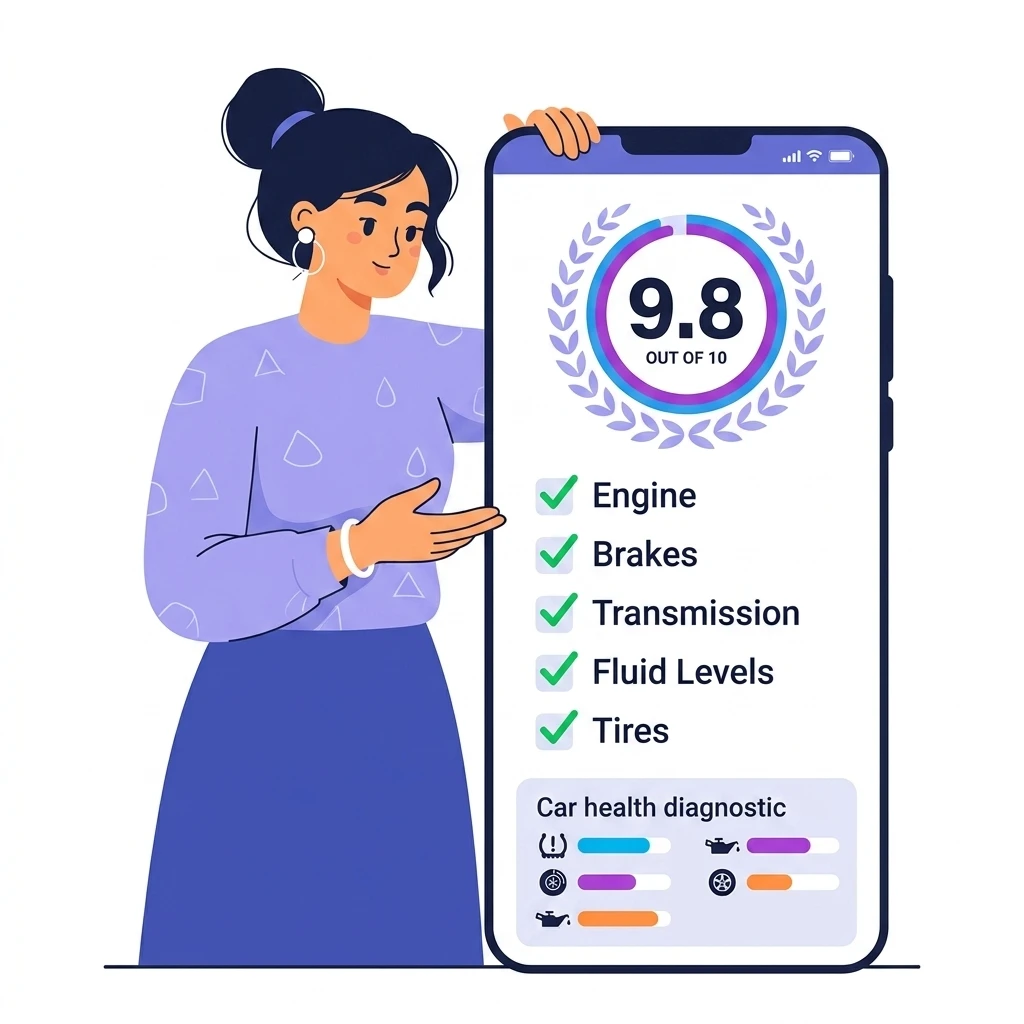
Multi-system audit covering engine compression, chassis welds, and electronics.
High-resolution photo documentation of exterior, undercarriage, and interior.
Test-own period with 100% full refund policy if not satisfied.
1. Engine Health and Cold-Start Diagnostics
The engine is the heart of the vehicle and the single most expensive component to overhaul. When arranging an inspection, insist that the engine is stone cold before starting it. A cold start exposes worn starter motors, battery voltage drops, noisy timing chains, and piston slap that are easily masked when the engine is pre-warmed.
Once started, check the exhaust tip for abnormal emissions. Blue smoke indicates engine oil burning (worn valve stem seals or piston rings), thick white smoke signifies coolant burning from a blown head gasket, while black smoke points to fuel injector flooding or carbon buildup. Unscrew the oil filler cap while the engine is idling; excessive vapor or oil spray (known as blow-by) indicates poor cylinder compression.
- Check engine oil color: Amber/golden is fresh; pitch-black with gritty texture indicates neglected service intervals
- Inspect radiator coolant reservoir: Oil contamination in coolant indicates head gasket failure
- Listen for valvetrain ticking, accessory belt squeaks, and turbocharger spooling whistles
Book a Free Inspection
Our certified diagnostic inspectors come to your doorstep.
2. Structural Integrity & Accident Repair Detection
Minor cosmetic scratches and repainted bumpers are normal on Indian roads, but structural frame damage compromise the vehicle's crash safety. Inspect the engine bay aprons, front radiator support member, A/B/C pillars, door sills, and the spare tyre well in the boot.
Look for non-factory seam sealer welds, mismatched paint overspray on rubber weatherstrips, wrinkling in inner sheet metal, and uneven panel gaps between the bonnet and fenders. An uneven gap of more than 3 millimeters usually indicates front-end impact repair.
- Check paint depth: Factory paint ranges from 90–130 microns; readings above 250 microns indicate body putty/filler
- Inspect all glass windows: Factory manufacturing date stamps on windshields and side windows should match the car's model year
- Examine tyres for uneven tread wear, which indicates bent suspension arms or severe chassis misalignment
3. Transmission & Clutch Operation
During the road test, evaluate gear engagement across all speed ranges. For manual gearboxes, check if the clutch bites high on the pedal travel, which indicates imminent clutch plate replacement. Test for clutch slippage by engaging third gear at 30 km/h and depressing the accelerator firmly—the RPM and speedometer should rise in direct proportion.
For automatic transmissions (Torque Converter, CVT, DCT, AMT), watch for hard jerks between 1st and 2nd gear, delayed reverse engagement, or hunting for gears during moderate throttle application.
Looking for Your Dream Car?
Browse our 200-point inspected cars with 5-day money-back guarantee.
4. Electrical Systems & OBD-II Diagnostics
Modern cars feature complex multiplex wiring and multiple Electronic Control Units (ECUs). Connect an OBD-II diagnostic scanner to read live sensor data and check for cleared diagnostic trouble codes (DTCs). Dishonest sellers often erase check-engine warnings right before a buyer arrives; an OBD-II scan reveals the 'Readiness Monitors' and flags whether codes were recently wiped.
Test every electronic amenity: dual-zone climate control cooling, power window regulators, sunroof drainage channels, touchscreen infotainment, reverse camera guidelines, and all exterior LED lighting.
5. Legal Documentation & RTO Paperwork Checklist
Never hand over money until every official document has been authenticated. Check the physical Smart Card Registration Certificate (RC) against the vehicle's chassis number stamped on the firewall or beneath the driver's seat.
Verify that the owner's name matches the seller's government ID (Aadhaar or PAN). If the vehicle was financed, ensure a valid Form 35 and Bank NOC (No Objection Certificate) are available to remove hypothecation at the RTO.
- Form 29 (Notice of Transfer) and Form 30 (Application for Transfer) signed in duplicate
- Active Comprehensive Insurance policy with zero-depreciation endorsement if available
- Valid Pollution Under Control (PUC) Certificate
- Original Purchase Invoice and complete service history booklet with authorized workshop stamps
Check Traffic Challans Online
Scan traffic police records for unpaid fine notices across all Indian states.
Unscrew the engine oil cap while the engine is running at idle. If you see white vapor puffing out like a chimney or oil droplets vigorously splashing onto your hand (known as 'blow-by'), cylinder compression is compromised and the engine requires an expensive overhaul. Walk away!
Inspect the bottom corner of the front windshield, rear glass, and all 4 door windows. Every piece of glass has a manufacturer timestamp. If the windshield shows '2023' while the car is a 2018 model, the car experienced front collision damage and windshield replacement.
Editorial Quality Guarantee
TrustedCarz content is written and fact-checked by automotive diagnostic specialists with over 15 years of industry experience. We adhere to strict anti-bias guidelines and diagnostic accuracy.